How could institutions better support young people aging out of foster care — when formal systems consistently failed to prepare them for independent adulthood?
The decision was whether to continue relying on fragmented institutional programs — or build a support system grounded in the lived experience of those who had already made the transition.
In Argentina, youth leaving foster care often face adulthood without stable housing, employment guidance, or social support. Existing programs were designed from institutional perspectives rather than real needs.
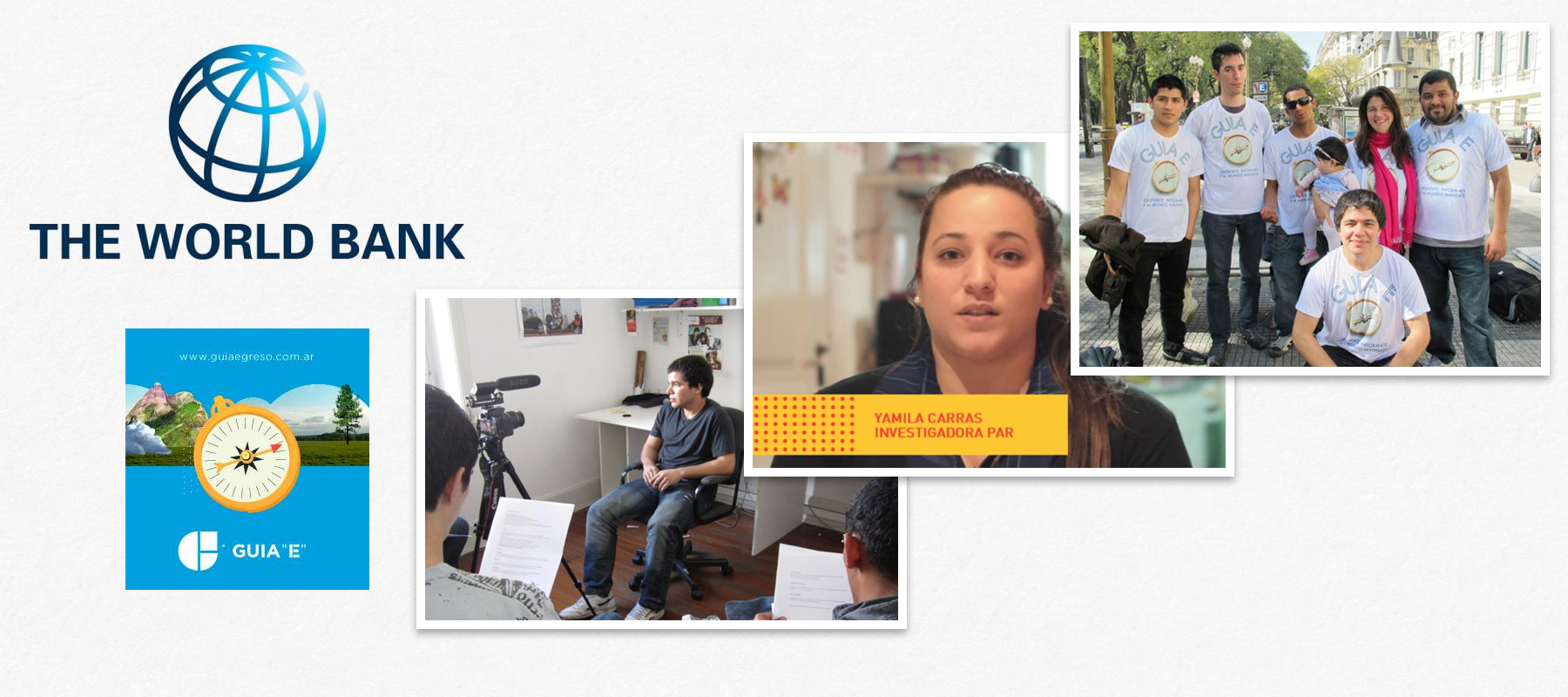
The World Bank supported an initiative to explore alternative, human-centered approaches to this transition.
I led the project end-to-end: research design, facilitation, synthesis, and program creation.
My role was not to “study” participants, but to create the conditions for them to become co-designers of the solution.
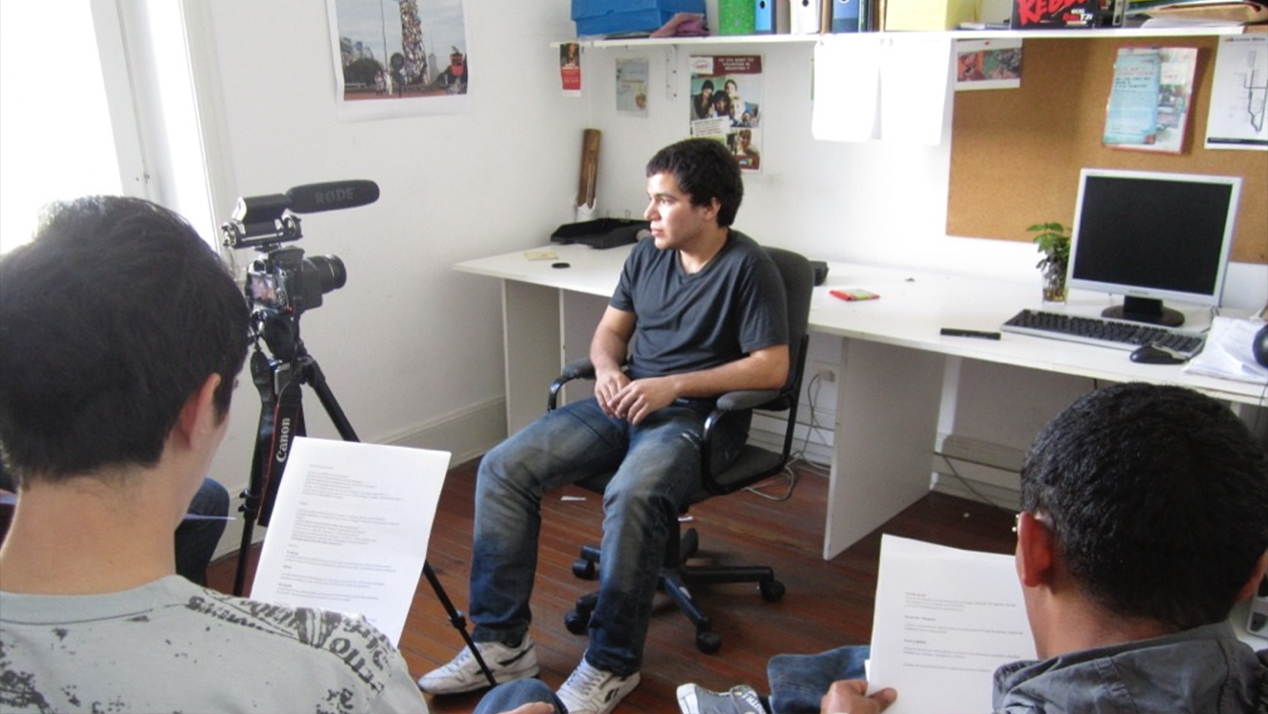
We treated lived experience as the primary source of expertise. Research was designed to surface practical knowledge — what actually helped, what failed, and what no institution was addressing.
Together with participants, we created Guía Egreso — a practical, peer-generated guide covering housing, work, education, relationships, and emotional resilience.
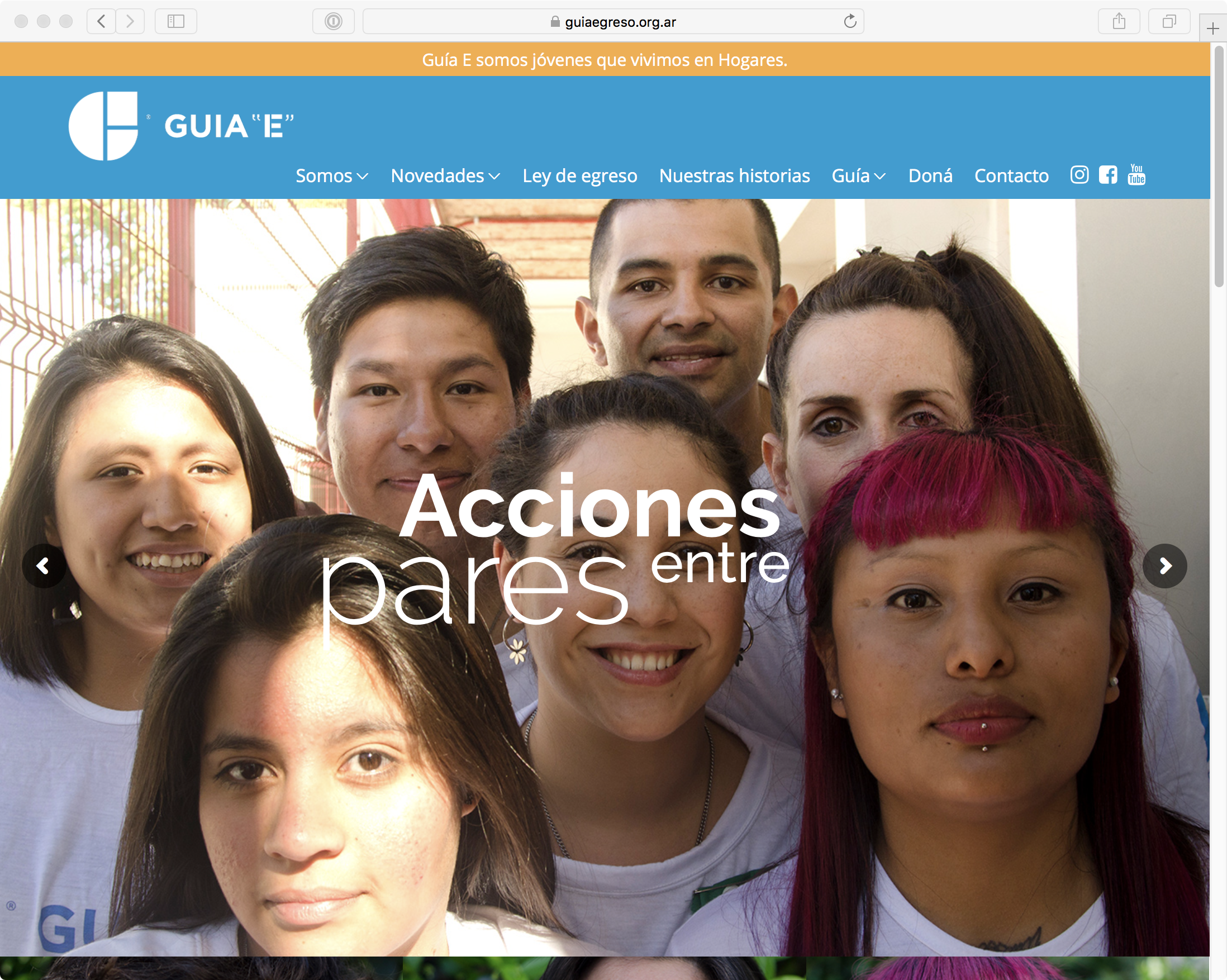
The content was distributed through a public website to ensure continued access and reuse.
The project generated value beyond the original engagement:
