Rexona — Understanding Behavior Under Pressure
2006
Day-in-the-life research
Understanding routines, triggers, and performance moments
Decision at Stake
Rexona needed to understand how its product performed within real,
high-pressure daily routines — not just controlled test environments.
The challenge was identifying which moments truly mattered for loyalty
and repeat use.
Context
Deodorant is a habitual, low-attention product in a crowded category.
Differentiation depends on reliability during moments that matter —
stress, heat, movement, and social exposure.
My Role
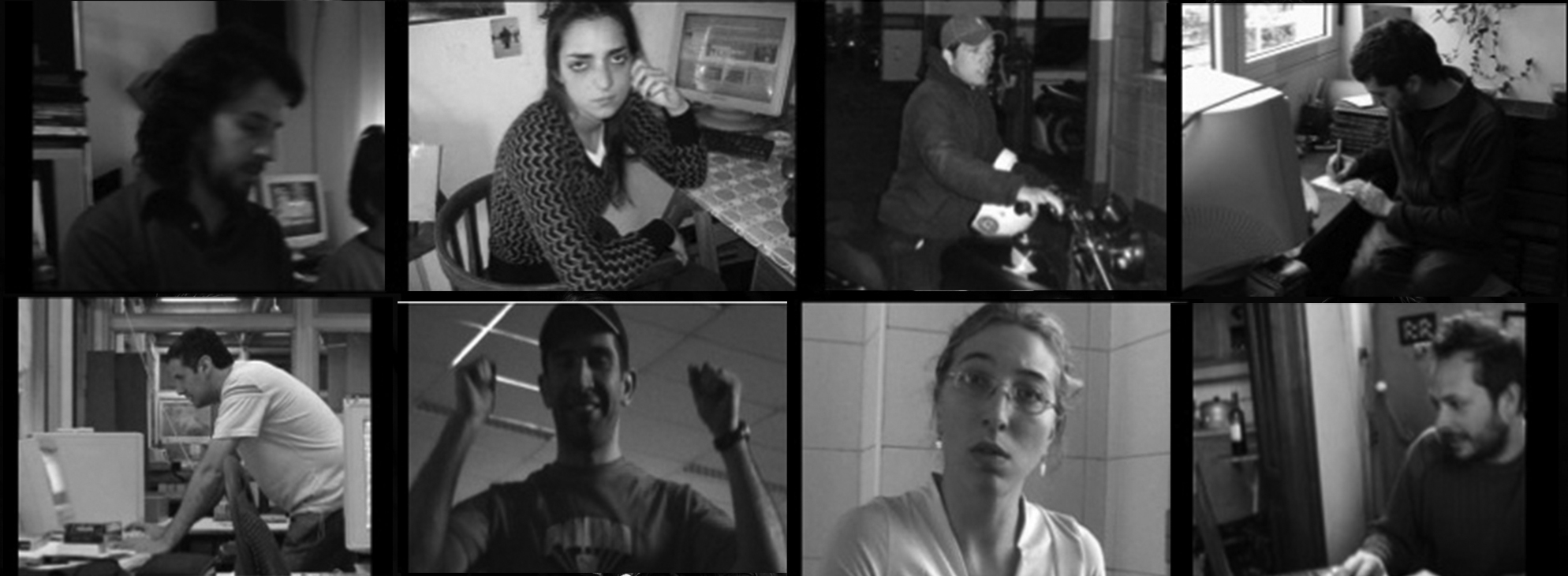
I conducted day-in-the-life ethnographic research to
observe routines, transitions, and stress points across a full day.
The objective was to surface moments where product performance influenced
confidence, behavior, and brand trust.
Research Approach (in Service of Decisions)
We focused on uncovering triggers and breakdowns — the moments people
remember when deciding whether a product “works.”
Methods & Research Rigor
- Full-day shadowing
- Contextual interviews
- Routine mapping
- Trigger and failure-point analysis
Key Insights
- Trust is built in moments of anxiety, not comfort
- People remember failures more vividly than successes
- Reapplication rituals signal insecurity
- Social exposure amplified perceived risk
What Changed
The research shifted focus from generic performance claims to moments of
reliability under pressure.
Recommendations
We structured our product recommendations around three key dimensions:
emotional, sensorial, and packaging.
1. Emotional
Body odor is influenced by emotional states — stress, happiness, anxiety,
and calm all affect how we smell.
-
Insight: Like music, we seek certain scents to match or shift our mood
Idea: Fragrance lines designed to stimulate specific moods
-
Insight: Post-workout sweat carries a sense of accomplishment and energy
Idea: "Detox" or "Purification" product lines that embrace active lifestyles
2. Sensorial
-
Insight: Sweat increases with activity level, creating reapplication needs
Idea: Formats that integrate seamlessly into active routines
-
Insight: Environmental odors (street, transit) permeate clothing
Idea: Products that neutralize external odors while adding pleasant scent
-
Insight: Seasonal changes affect fragrance preferences and protection needs
Idea: Season-specific products (e.g., with insect repellent or UV protection)
3. Packaging
-
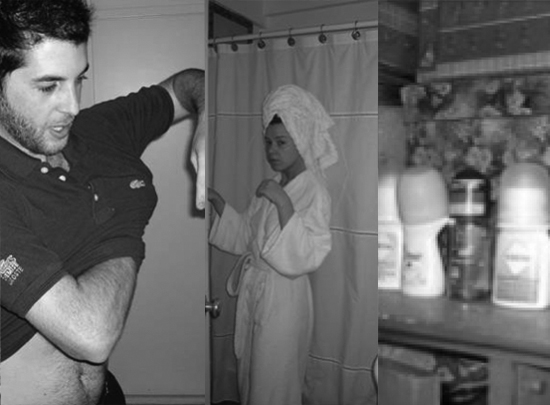
Insight: Many users keep deodorant in the bedroom, applying after
drying and before dressing
Idea: Packaging designed as functional decor — aesthetic enough to
display in living spaces
What Leadership Learned
- Habits are shaped by anxiety, not intention
- Designing for edge cases drives loyalty
- Contextual reliability builds brand trust